





July 30, 2026
Agency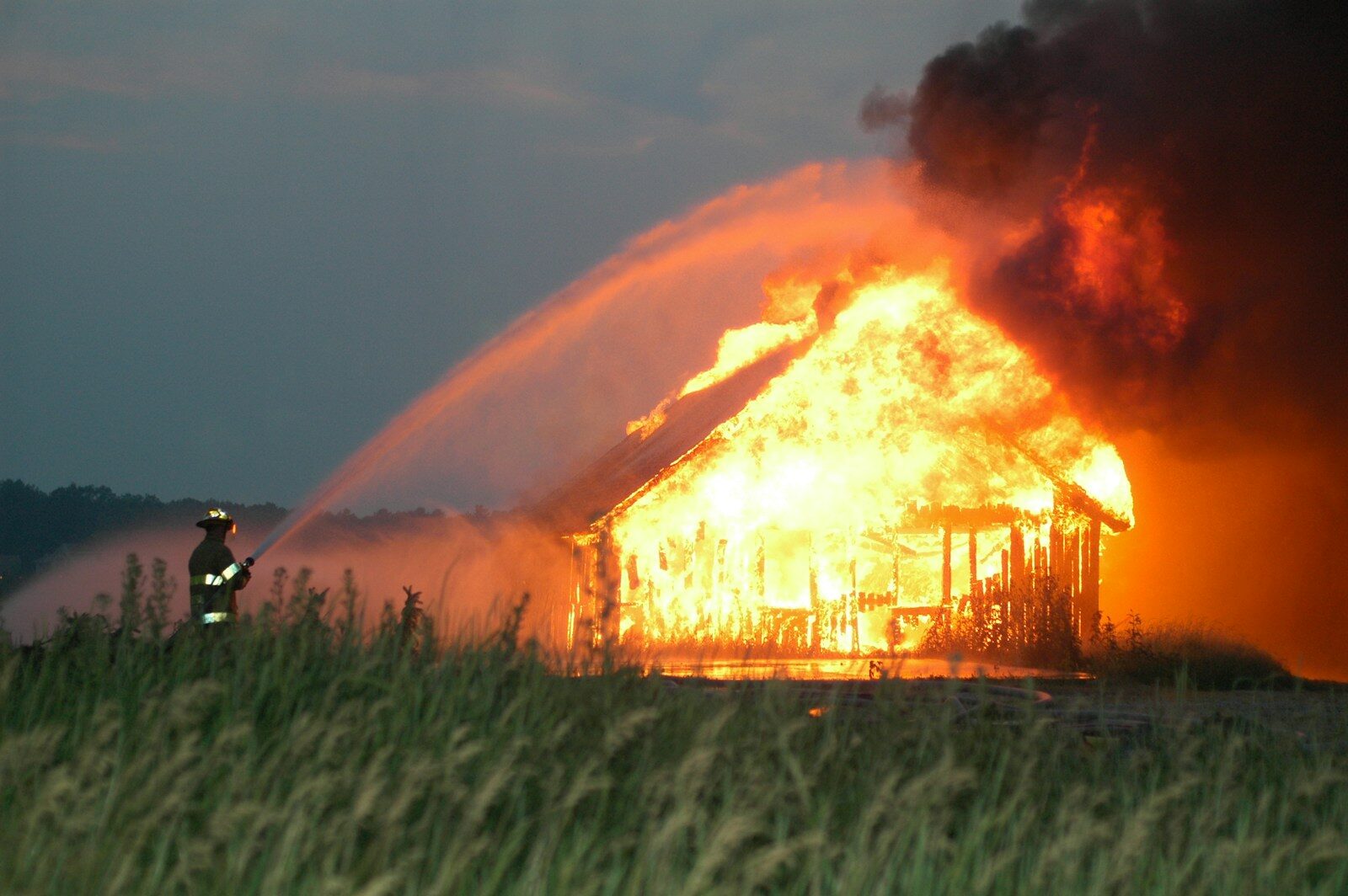
Protecting Your Florida Home from Wildfire Losses
When most people think about Florida risk, hurricanes, flooding and sinkholes usually come to mind. Prolonged dry spells, drought conditions and rapid development into wooded and rural areas are pushing wildfire risk higher across the state than many homeowners realize. If your home insurance policy hasn’t been reviewed with this risk in mind, now is a good time to take a closer look.
Why Wildfire Risk Is Growing in Florida
Florida’s landscape includes millions of acres of pine forest, palmetto scrub and grassland, all of which can fuel fast-moving fires under the right conditions. Extended dry seasons, occasional drought and periods of lower humidity create an environment where a spark can spread quickly.
At the same time, more communities are being built along the edges of these natural areas. This expansion into the wildland-urban interface means more homes now sit closer to the vegetation that can carry a fire, increasing both the frequency and potential severity of losses.
What This Means for Your Home Insurance
Many homeowners assume their standard policy automatically covers wildfire damage the same way it covers wind or fire from other causes. In most cases, it does, but coverage details, limits and exclusions can vary significantly from policy to policy. Your agent can help you check the following:
- Dwelling coverage limits—Make sure your policy covers the true cost to rebuild your home at today’s construction prices.
- Personal property and additional living expenses—Confirm whether your policy would help cover a hotel stay or rental if your home became temporarily uninhabitable while repairs are made.
- Detached structures and landscaping—Sheds, fences and mature landscaping are often underinsured or overlooked entirely.
- Defensible space requirements—Some insurers factor in vegetation management and property clearance around structures when underwriting risk.
Steps to Take Now
Don’t wait for a policy renewal to start reducing your risk and improving your coverage position. Consider the following:
- Create defensible space. Clearing dry brush, trimming trees away from rooflines, and maintaining a buffer zone around your home can reduce the risk of fire spread.
- Use fire-resistant materials. Metal roofing, ember-resistant vents and noncombustible siding can make a meaningful difference.
- Document your property. Photos and a home inventory make the claims process faster and smoother if you ever need to file one.
- Review your policy annually. Rebuilding costs, personal property values and even your surrounding landscape change over time. Your coverage should keep pace.
Contact Us
Contact us today for a personalized home insurance review and quote. Our team can help identify coverage gaps and help make sure your home is properly insured against potential wildfire losses.
This blog is intended for informational and educational use only. It is not exhaustive and should not be construed as legal advice. Please contact your insurance professional for further information.
Categories: Blog, Home Insurance